A New Model for Coastal Cities
The future of every coastline belongs to the city that calls it home.
The Blue Cities Alliance helps cities shape that future and build it.
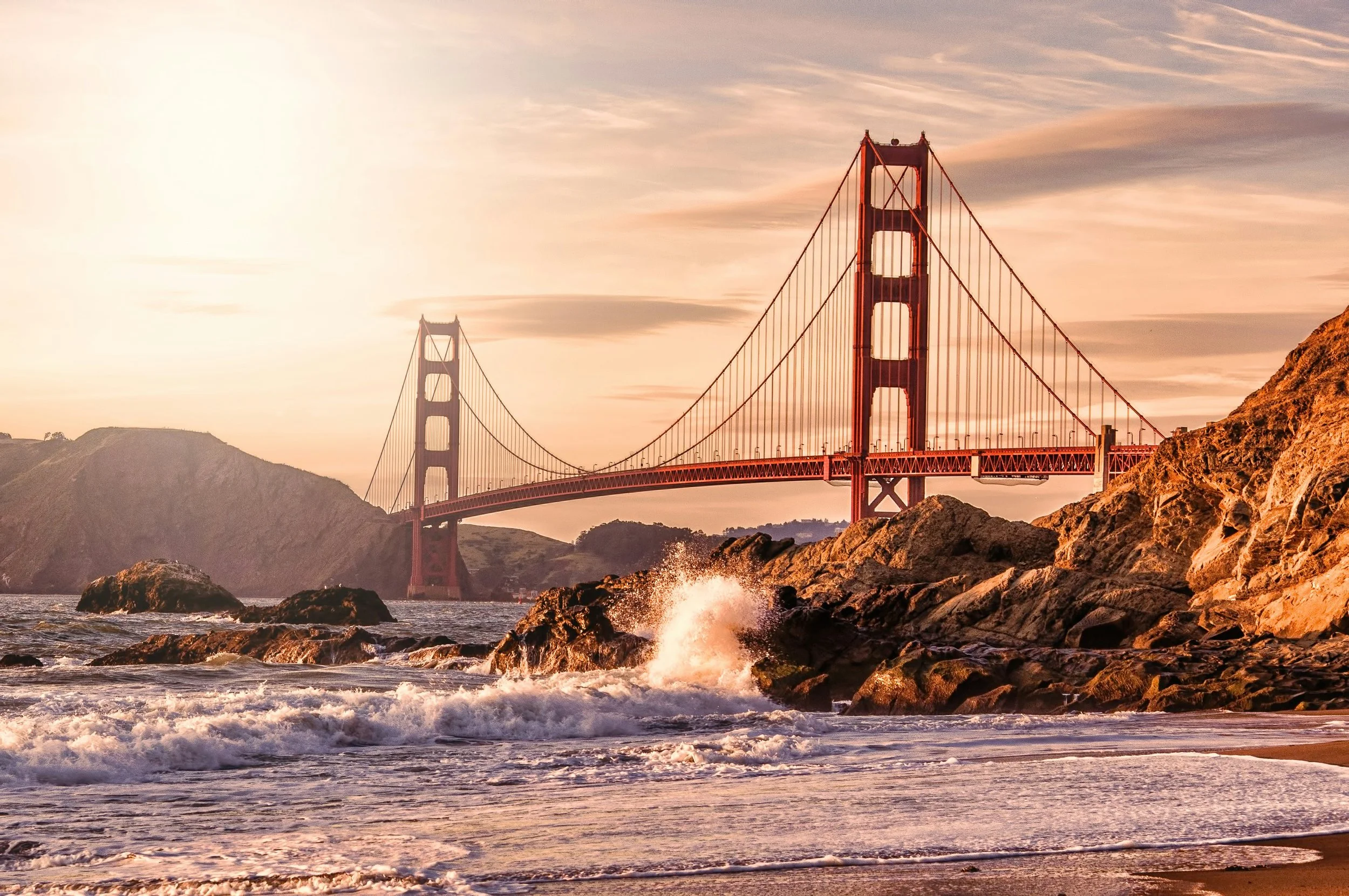
A Blue City is a coastal city that treats its relationship with the sea as central to its future, restoring ocean abundance, strengthening resilience, building a thriving blue economy, and reconnecting people to the places they call home.
News
Athens becomes the first city of the Blue Cities Alliance.
On June 4, 2025, Athens became the first city to formally join the Blue Cities Alliance, marking the beginning of a global model for coastal cities.
A city shaped by the sea from its earliest history, Athens will help define what it means for a coastal city to restore marine life, strengthen resilience, reconnect people to the waterfront, and build a blue economy rooted in culture, innovation, and pride of place.
A Vision for the Future
Every great transformation begins with the ability to imagine a different future.
For coastal cities, that future means waterfronts that are vibrant public spaces, reefs and seagrass beds that help protect shorelines, and prosperous blue economies that strengthen tourism, education, culture, and innovation.
This is the future Blue Cities Alliance is working to build.
At the center of the Blue Cities Model is a long-term visioning process that helps each city define where it is going, what it wants to restore, what it wants to protect, and what kind of future it wants to create with the sea.
As the Alliance grows, each city will shape its own path while contributing to a larger global movement for ocean abundance.
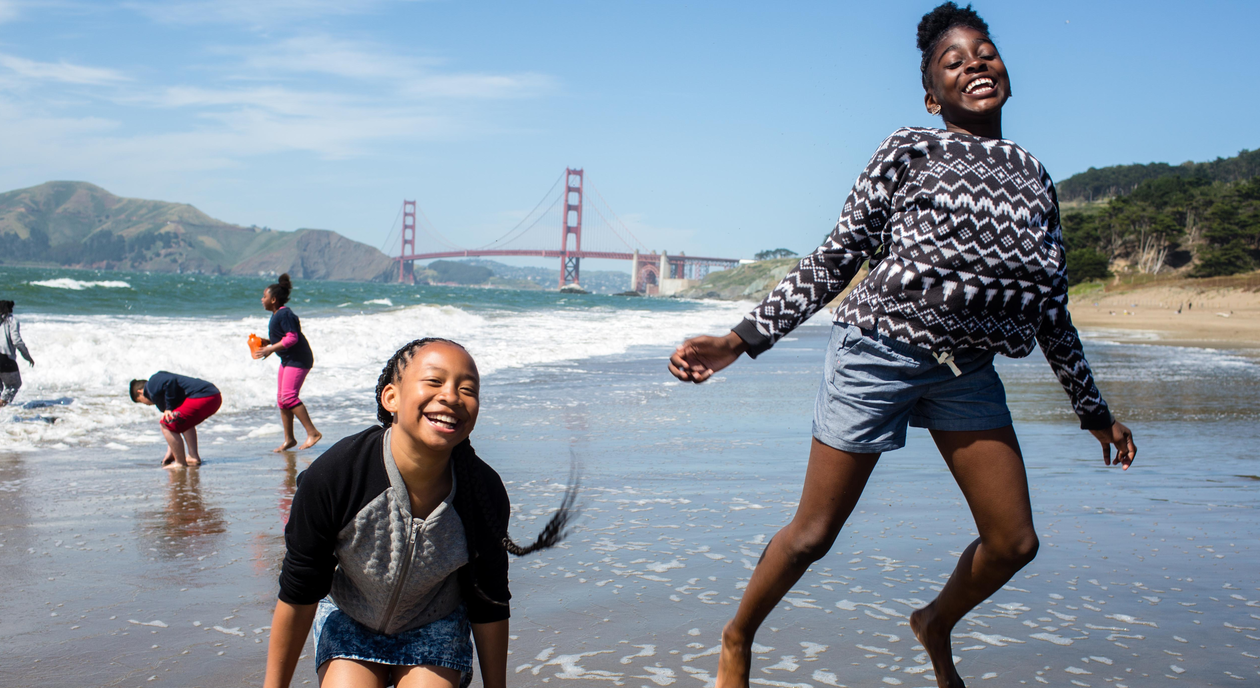
“When coastal cities lead, oceans thrive, economies grow, and communities prosper.”
—Alexandra Cousteau
A Model for Coastal Leadership
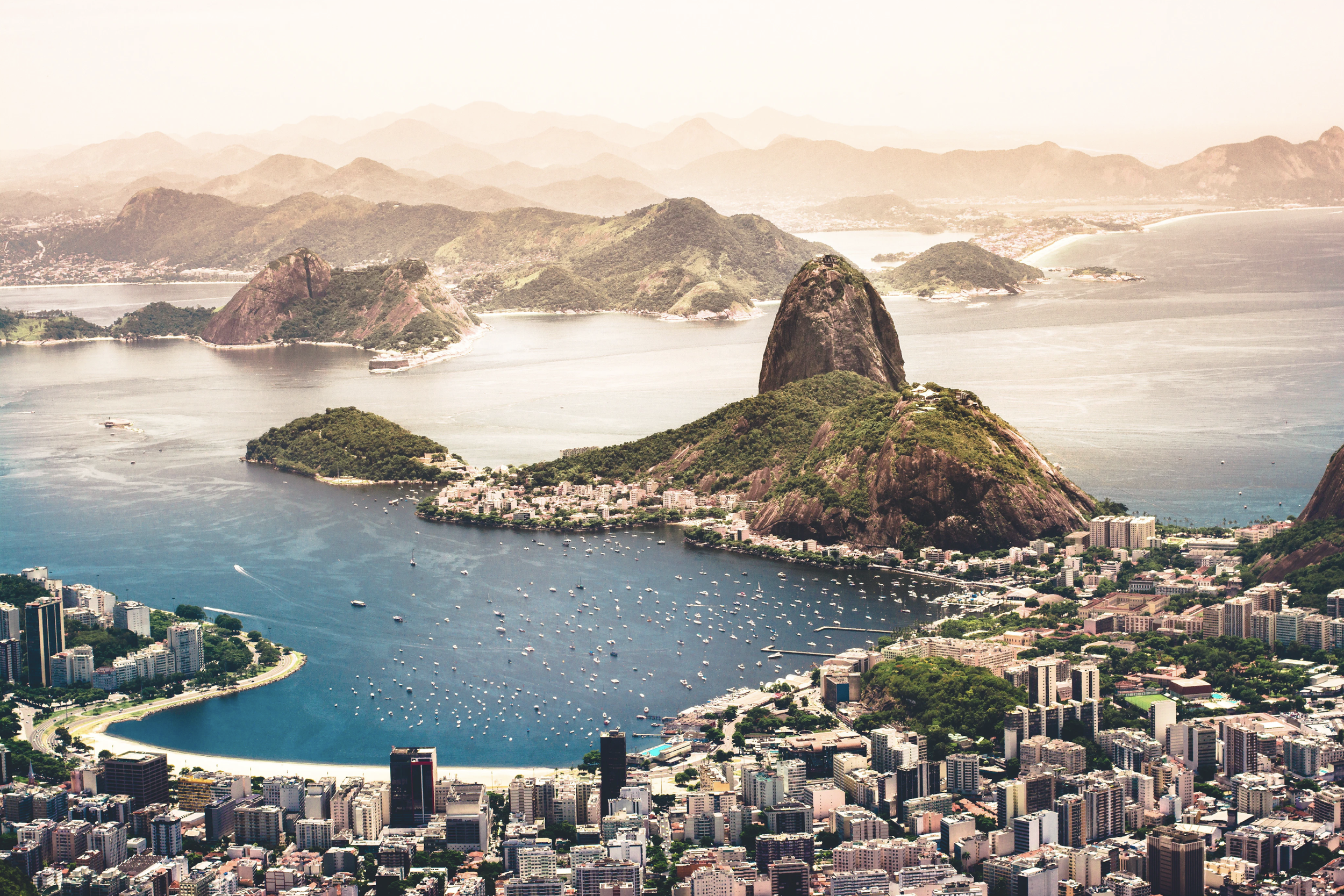
The coastal city is a powerful unit of change because this is where people live, raise families, build livelihoods, and feel a sense of home.
The Blue Cities Alliance helps coastal cities thrive by making ocean restoration practical at the city scale, aligned with local culture and economic priorities.
BCA brings the right people, projects, data, and investment into alignment, turning a city’s relationship with the ocean into a shared direction, a visible plan, and real outcomes people can see and celebrate.
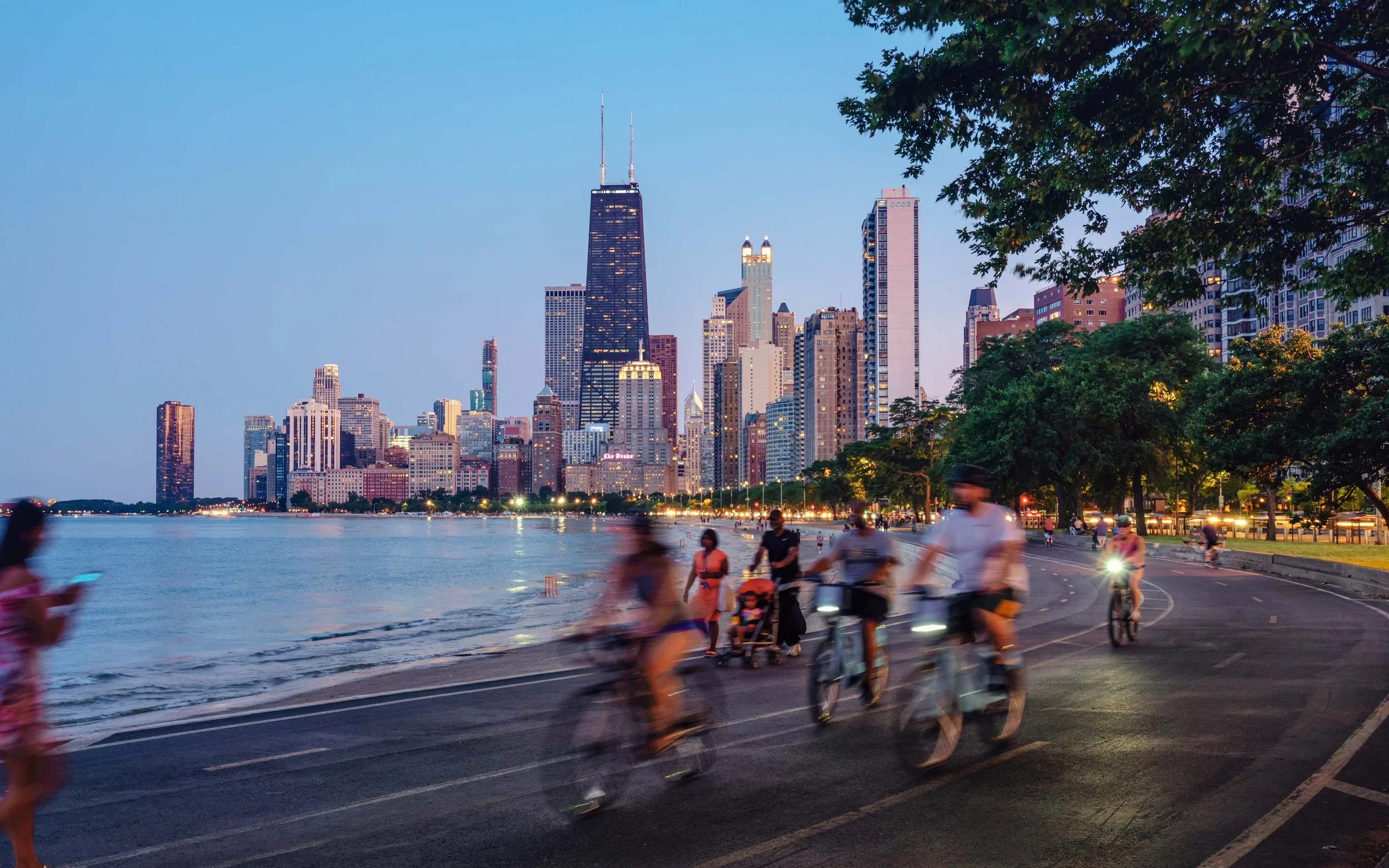
A Way Forward for Coastal Cities
The Blue Cities Model
How It Works
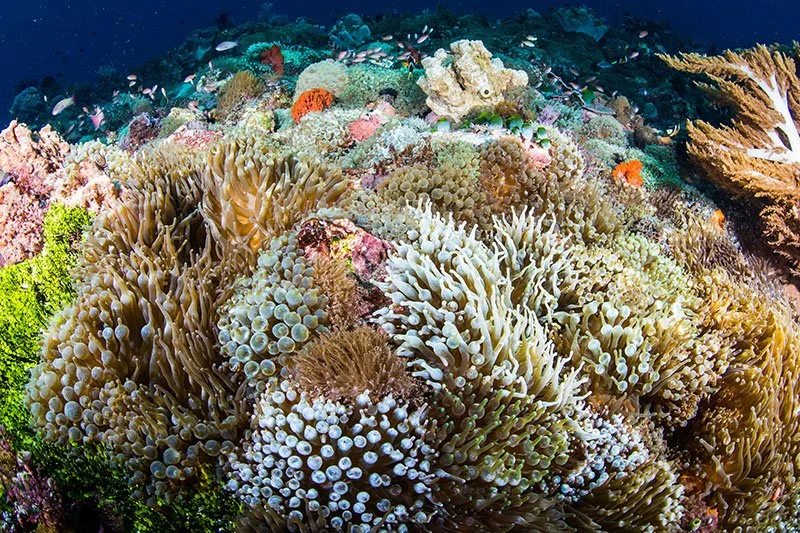
Start With Place
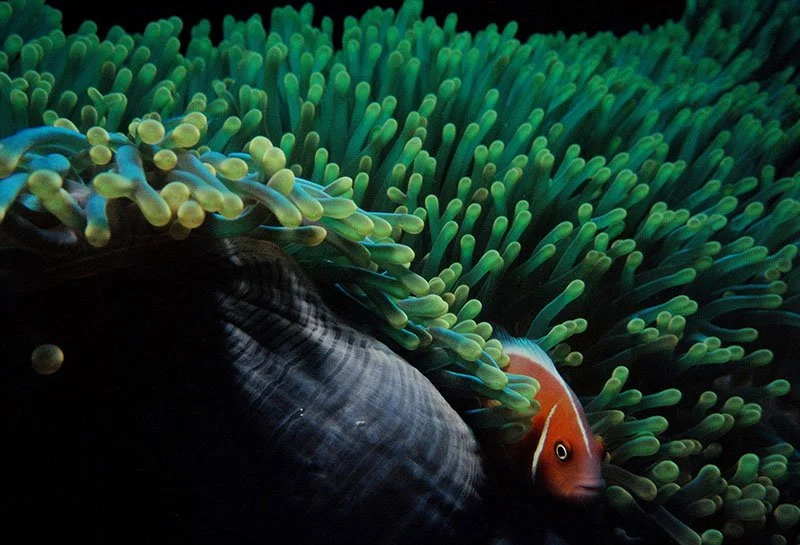
Every coastal city has its own relationship with the sea. We begin there, with the stories, culture, economy, coastline, and people that make each city distinct.
Envision the Future
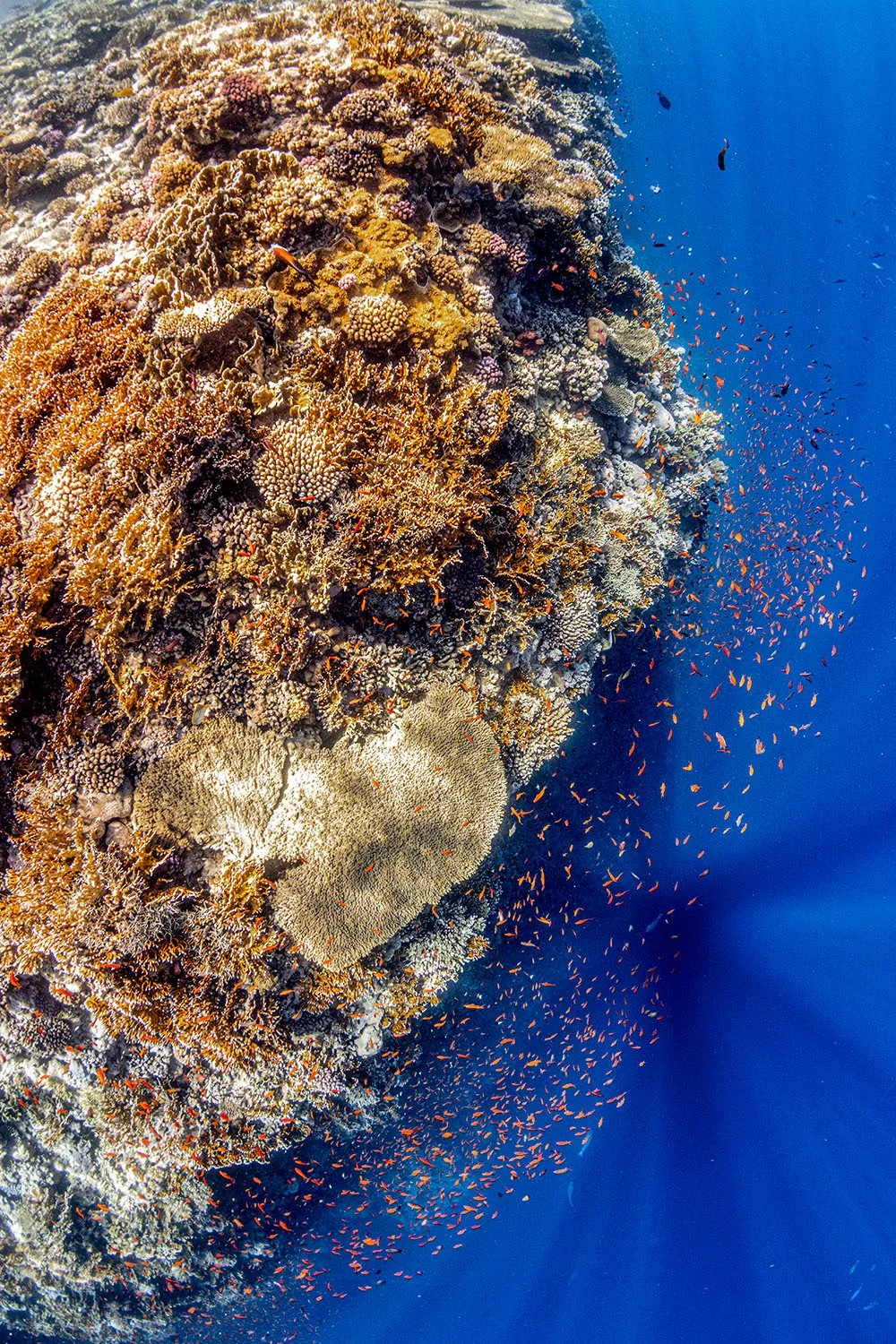
We help the city imagine where it wants to be by 2050, as a clear future people can see, support, celebrate and help build, shaped by the city’s relationship with the sea.
Build the Pipeline
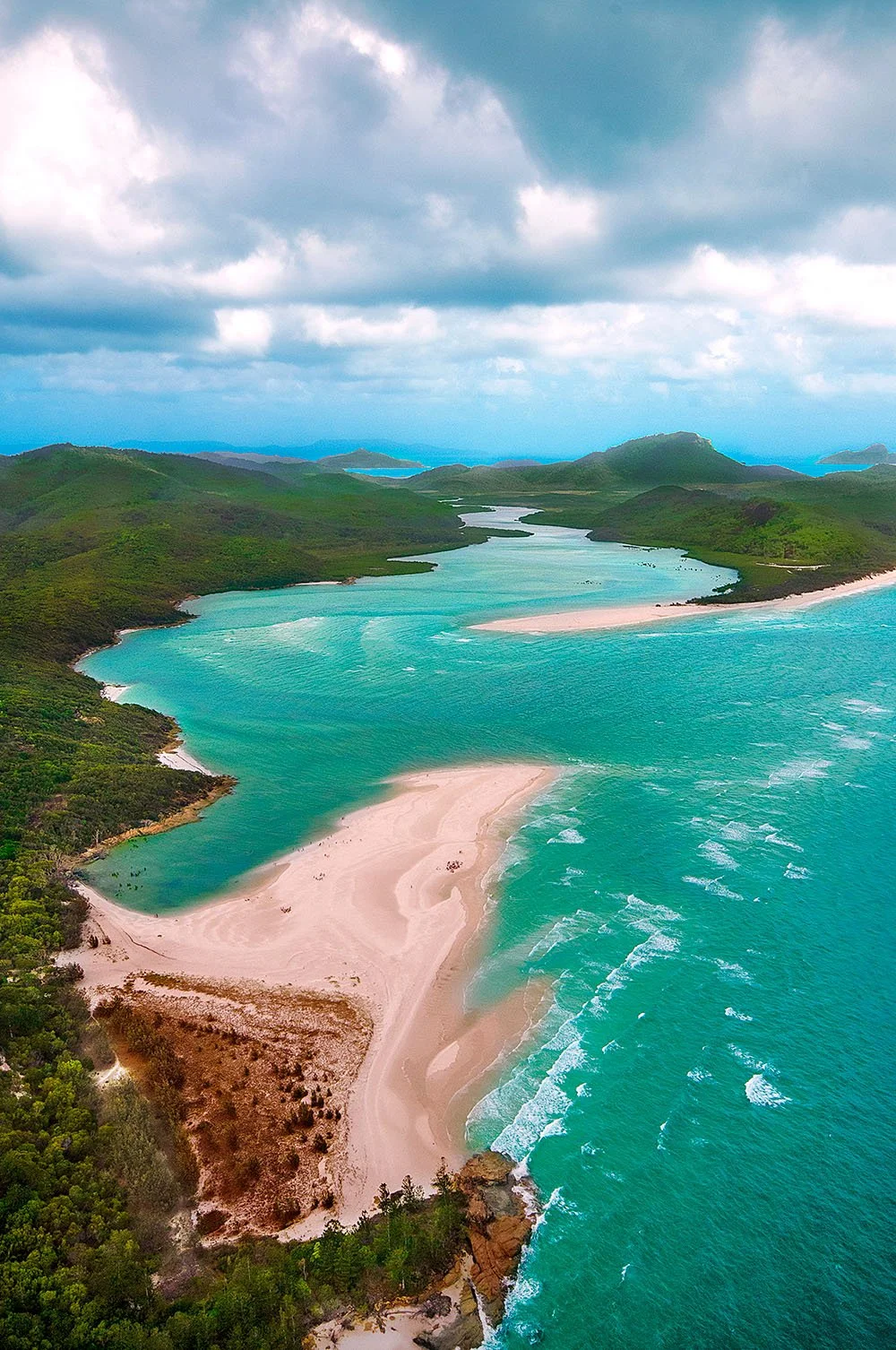
A Blue City builds the future through a pipeline of real projects that can be funded, built, and seen, from restored shorelines and cleaner water to stronger waterfront economies.
Celebrate Progress
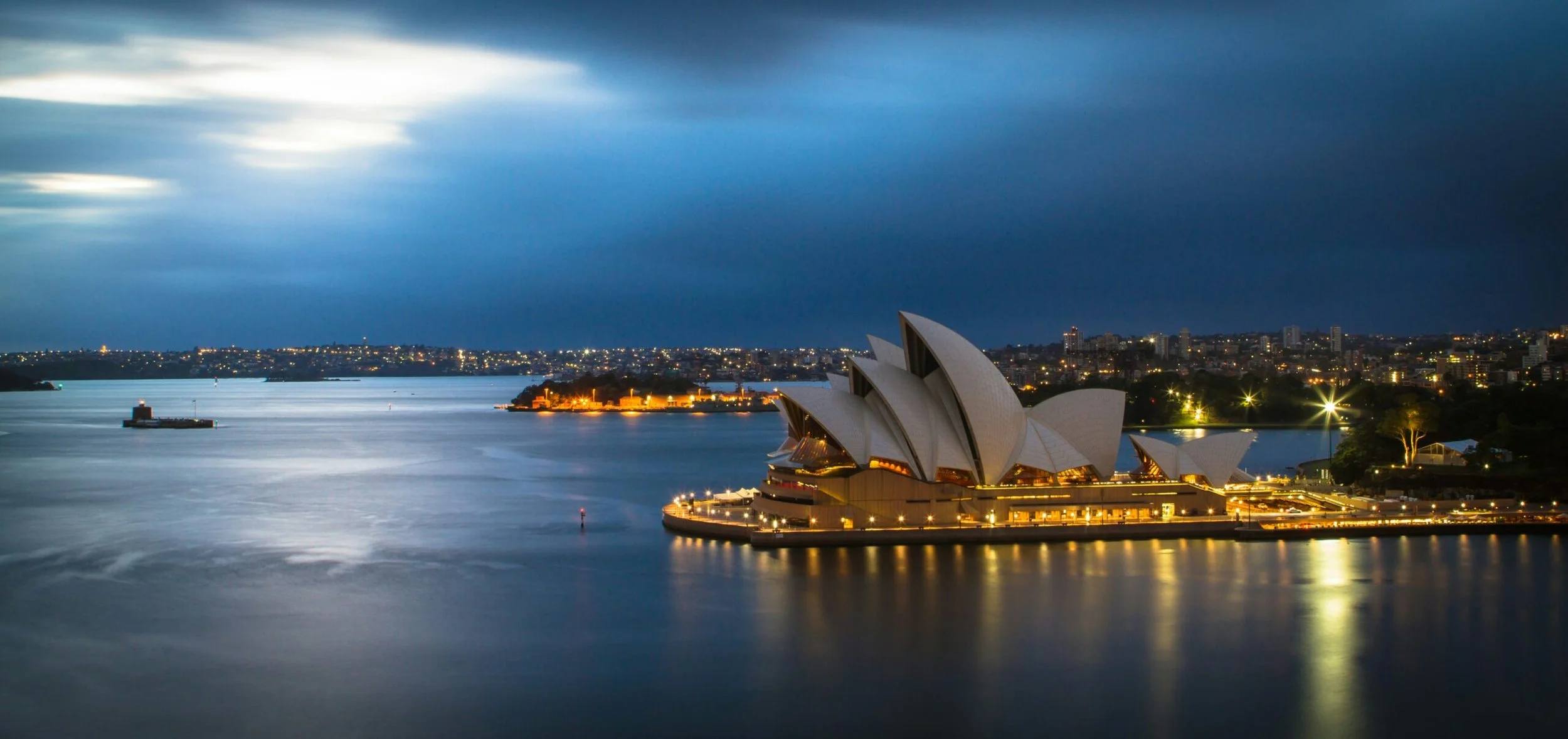
We make progress visible, so residents, leaders, funders, and partners can see what is changing, what is working, and what comes next. Celebrate the wins.
Why Blue Cities Are the Opportunity
Blue Cities concentrate our culture, commerce, and capital.
Most global megacities are coastal, with roughly half of the world’s population living within 150km of coastal areas.
Our coastal areas and oceans are crucial economic generators, producing an estimated $1.5 trillion annually.
Coastal and marine tourism represents at least 50% of a global industry worth $9.5 trillion that employs 1 in 11 people.
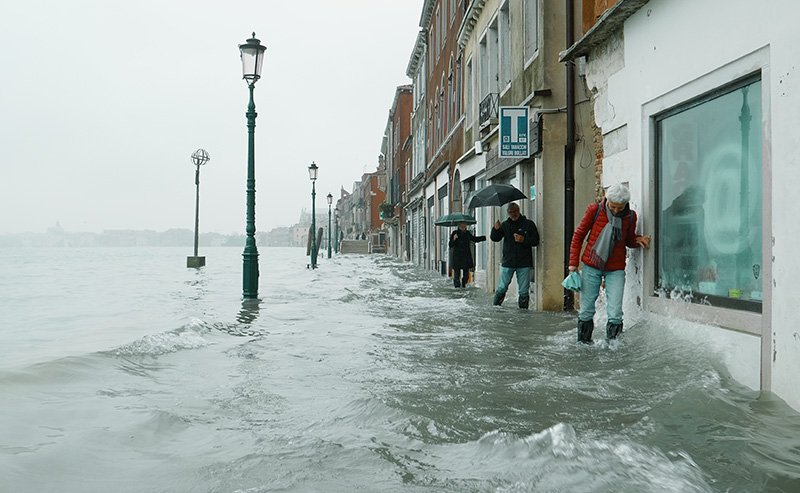
Venice, Italy, 2019
Adam Sébire / Climate Visuals
Blue Cities face common climate challenges.
By 2050, at least 570 coastal cities and ~800 million people could be exposed to sea-level rise and storm surges.
Rising sea levels, extreme weather, pollution, and collapsing marine ecosystems are not distant threats—they are urgent realities.
Without action, coastal cities face severe flooding, infrastructure damage, loss of critical marine resources, economic instability, declining tourism and fisheries.
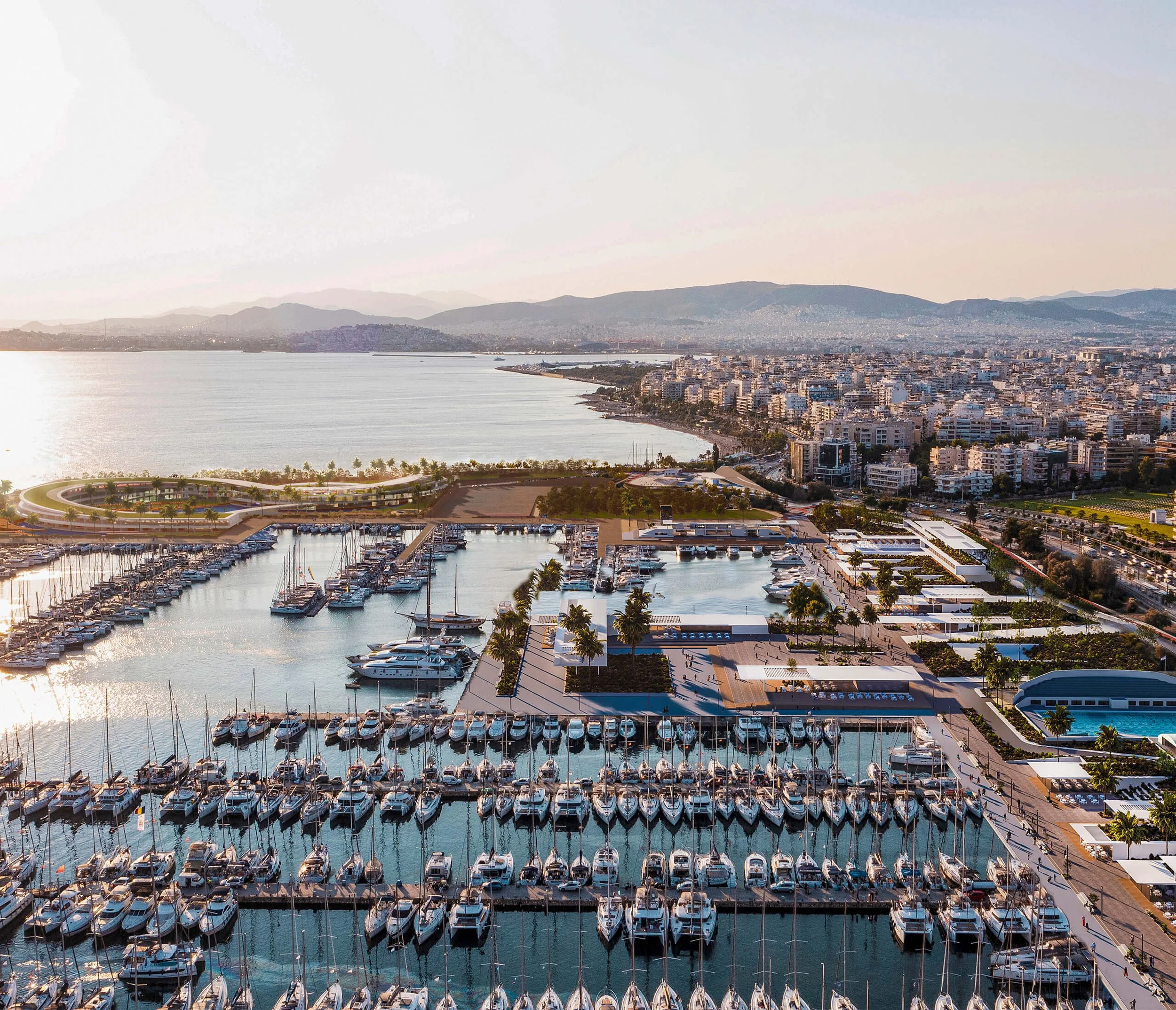
Healthy coastal ecosystems protect people and property, support livelihoods, reduce risk, strengthen local economies, and improve quality of life.
The cities that understand this first will be the cities that lead. Blue Cities Alliance exists to help them do it.
Frequently Asked Questions
-
The Blue Cities Alliance is a leadership model for coastal cities working to rebuild ocean abundance, strengthen coastal resilience, and create thriving blue communities by 2050.
BCA helps each city answer a question most have never been asked: what kind of coastal city do we want to become? From that question comes Vision 2050, a shared future rooted in the city's coastline, culture, economy, and relationship with the sea. That vision becomes the foundation for civic pride, measurable progress, and fundable action.
-
BCA is in its founding and first-city design phase.
Athens is the first Blue City. The current focus is to build the pilot and prepare the model for future cities.
What we build in Athens becomes the template for cities that follow.
-
Science and data inform every part of the BCA process, running in the background to make sure decisions, assumptions, and priorities are guided by the best available information.
BCA uses science to make sure each city is grounded in reality, aimed at the right outcomes, and tracking the right indicators. Data shows whether progress is actually happening.
Science makes BCA credible, but celebration makes it contagious. People do not connect to a city's future through charts, metrics, or technical reports. They connect through places they love, futures they can imagine, progress they can see, and wins they can celebrate.
-
BCA is designed to grow from a single city into a global movement by aggregating local action across coastlines.
Each city chooses its own future, builds its own mandate, and delivers its own results. BCA connects those cities through a shared framework so local action adds up to global change.
-
Athens is a place where the sea and the city have been in conversation for millennia.
It brings together ancient maritime legacy, global cultural significance, major shipping and tourism sectors, and a deep living relationship with the Mediterranean. That history is still present in the culture, the economy, the coastline, and the people.
Athens also has a mayor who signed the Blue Cities Manifesto and a city ready to ask the question at the heart of BCA: what kind of coastal city do we want to become?
What we build here becomes the foundation for every Blue City that follows.
-
BCA is focused entirely on the relationship between cities and the sea. That ocean dimension is what BCA uniquely brings to the work cities are already doing.
-
BCA is being structured as a global leadership model for cities with both non-profit and for-profit capacities, designed to support public-good outcomes while building a financially sustainable model for scale.
The global platform provides the vision, standards, methodology, brand, and strategic support that make BCA replicable city by city. Local partners lead implementation in their own city, rooted in local identity and connected to the global framework. Mission and sustainability reinforce each other by design.
The governance structure is being finalized as BCA moves from its founding phase into full operation.
-
Oceans 2050 conceived and incubated the Blue Cities Alliance as the city-focused expression of its mission to rebuild ocean abundance, and BCA is now being established as its own global organization.
Professor Carlos Duarte, Chief Scientist of Oceans 2050 and globally renowned marine ecologist, identified the opportunity at the heart of BCA: that coastal cities could become a powerful unit of change for rebuilding ocean abundance. His work, including the landmark 2020 Nature paper Rebuilding Marine Life, provides BCA's scientific foundation.
Alexandra Cousteau is President of Oceans 2050 and co-founder of BCA. She has shaped Duarte’s scientific insight into the BCA model, placing Vision 2050 at the center as a civic promise rather than a planning exercise. She extends the Cousteau legacy of exploration and public imagination into a new chapter: rebuilding abundance, at the scale of cities and the pace of a generation.
Fritz Neumeyer is CEO of Oceans 2050 and co-founder of BCA. He brings expertise in architecture, urban design, and the built environment, connecting ocean abundance to the physical form of cities, coastlines, and public space.
Kerstin Trikalitis and Daphne Loukas are founders of Out There Media and co-founders of BCA. They bring international networks across business, technology, communications, and scalable partnerships into the BCA model from the start.
Together, the founding team gives BCA its unusual strength: science, civic imagination, design, public engagement, and implementation working together from the beginning.
Our Partners